So… What Actually Is Functional Kinesiology?
You would be forgiven for wondering exactly what Functional Kinesiology is — it is one of the questions I get asked most often. Despite becoming increasingly popular, Kinesiology is still relatively unknown in the UK.
Kinesiology literally means “the study of movement” and originated from the work of chiropractor Dr George Goodheart in the 1960s. Initially his work focused on understanding how muscles, the nervous system and the body’s structural balance worked together. Over time, this developed into a much broader understanding that physical symptoms are often influenced by more than just muscles and joints alone.
Today, Functional Kinesiology combines traditional kinesiology techniques with modern understanding around nutrition, wellbeing and how different systems of the body interact with one another.
Looking Beyond Symptoms
One of the reasons I absolutely love Functional Kinesiology is that it encourages us to ask a slightly different question.
Instead of asking:
"What symptom are we trying to stop?"
we ask:
"Why might the body be struggling in the first place?"
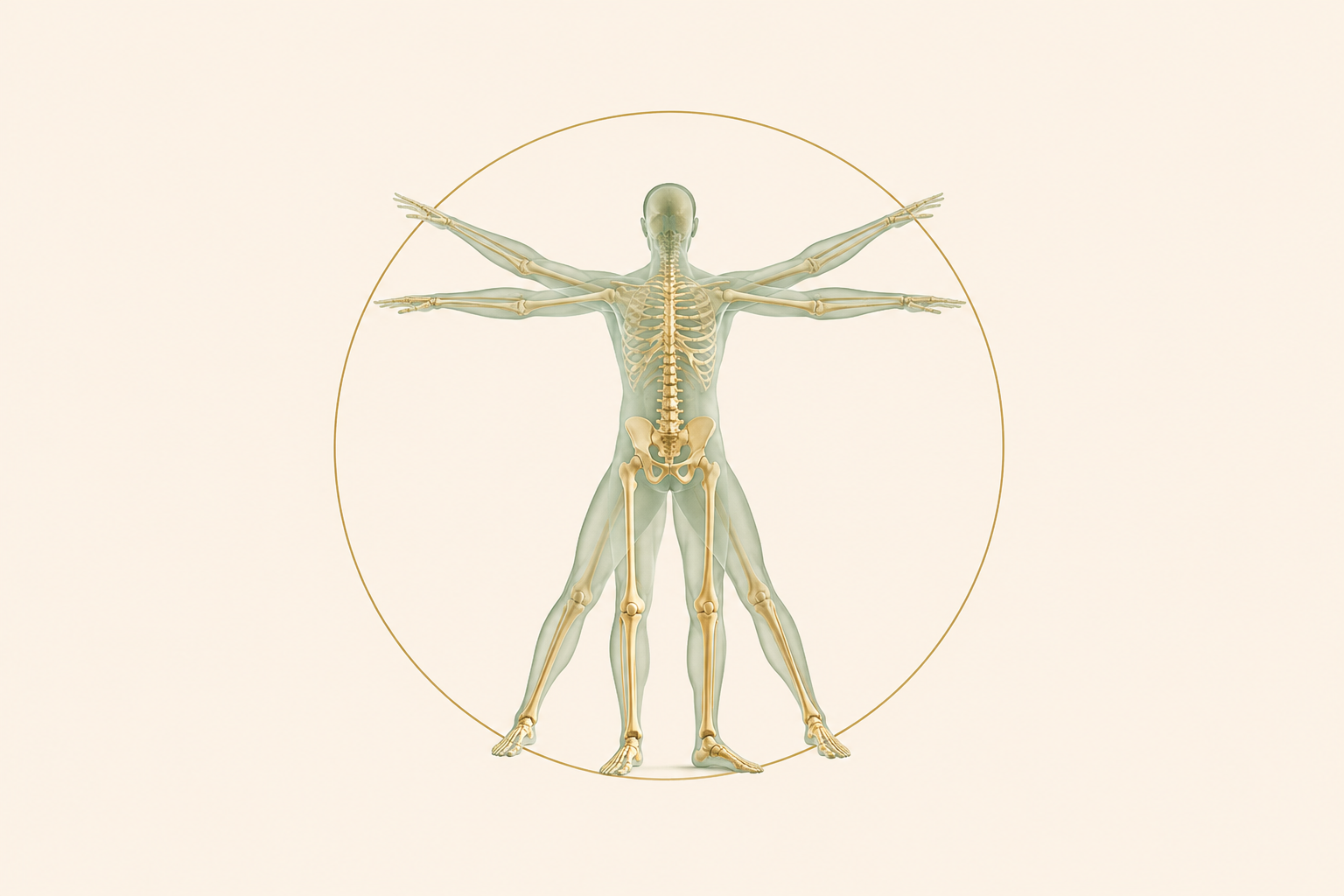
Your digestion, hormones, nervous system, immune system, stress levels, emotions and physical structure do not operate separately. They constantly communicate with one another and influence how you feel.
Often people arrive feeling tired, overwhelmed, inflamed, uncomfortable or simply not quite themselves — and frequently there is more than one thing contributing to that picture.
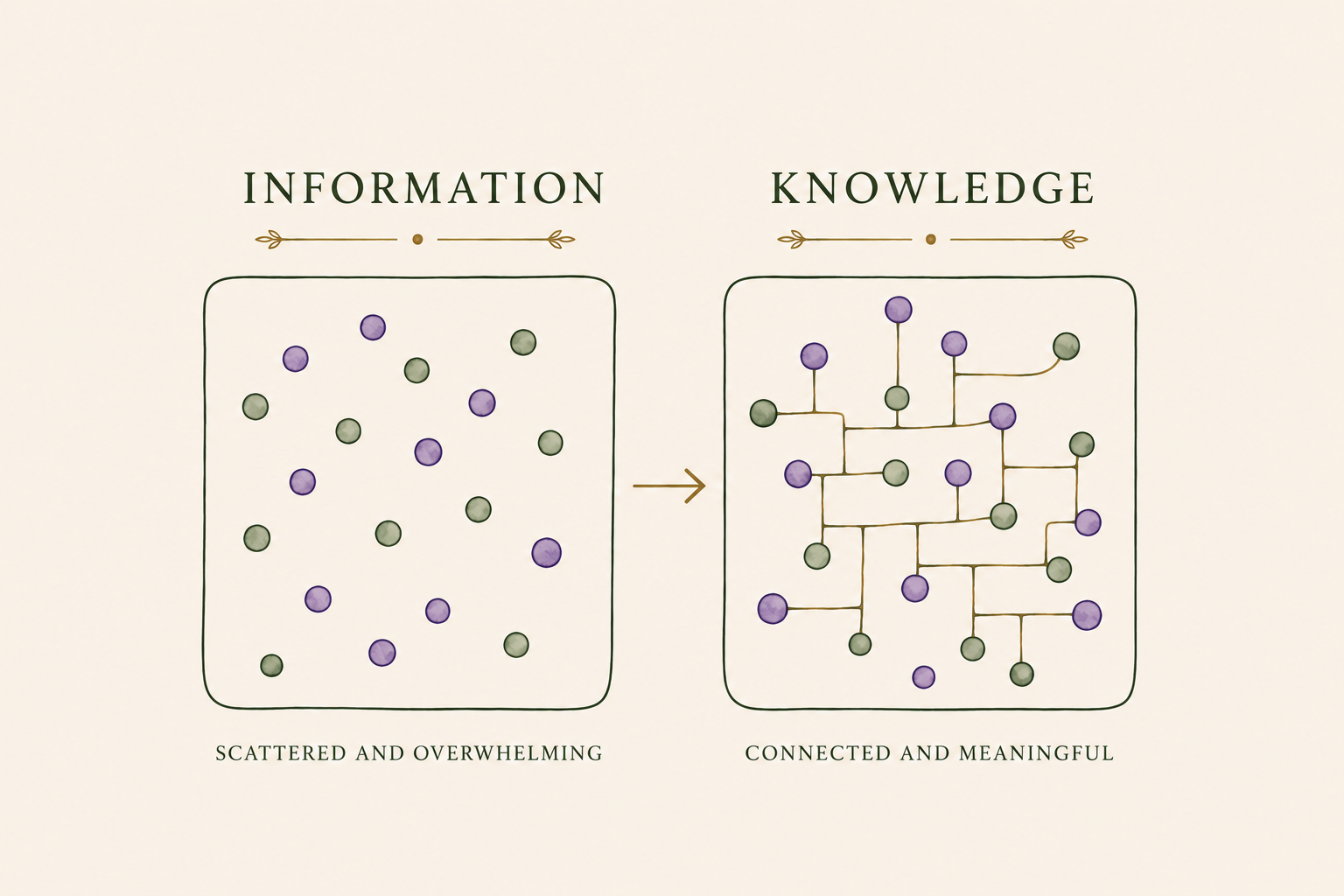
The aim is not simply to chase symptoms. It is to help connect the dots.
The Triangle of Hormonal Health: Why Everything Can Feel Connected
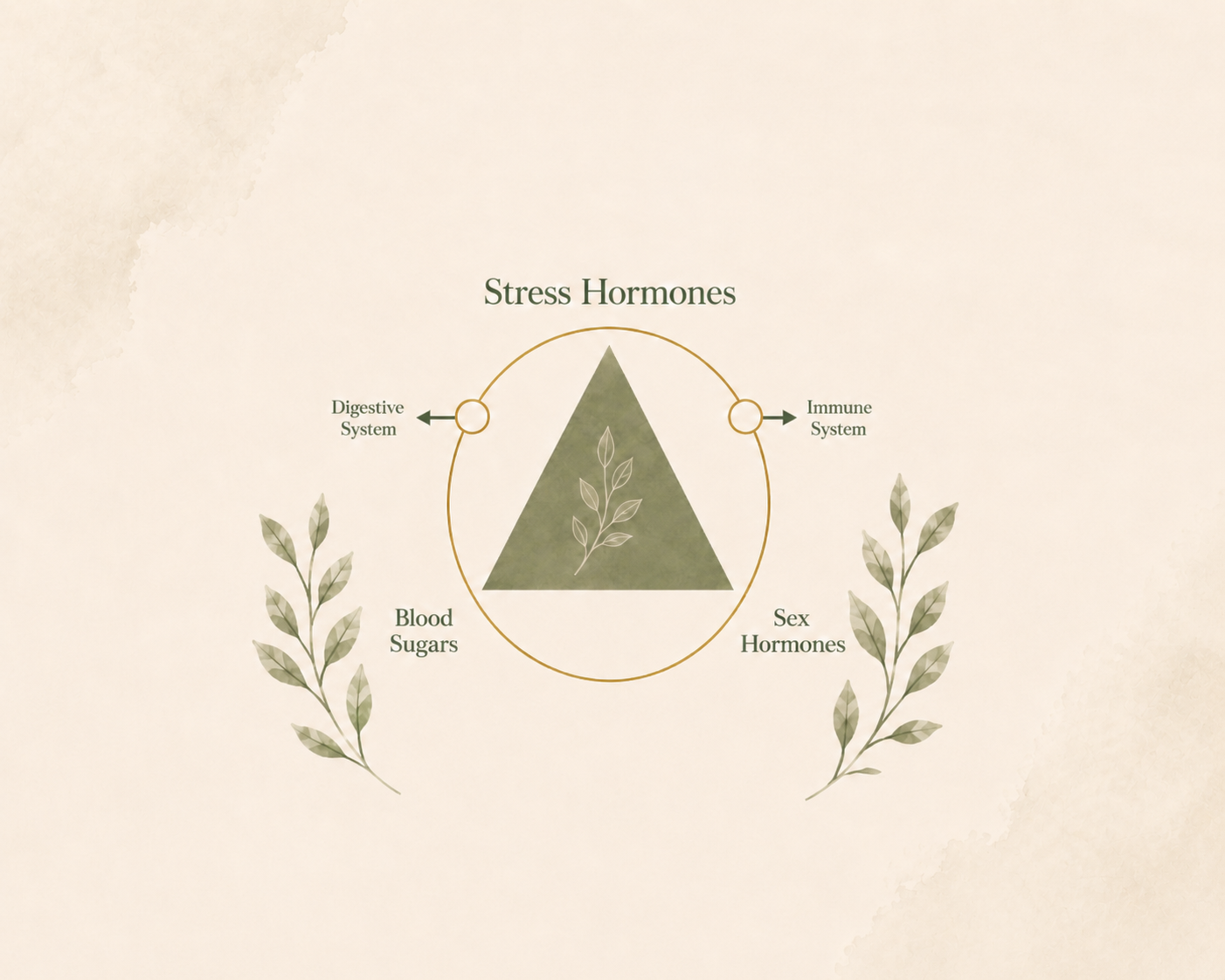
The Triangle of Hormonal Health is a key concept in Functional Kinesiology that helps explain why symptoms rarely happen in isolation. Stress, blood sugars and hormones are constantly interacting and influencing one another.
The triangle focuses on three key areas:
• Stress hormones (cortisol and adrenaline)
• Blood sugar regulation
• Sex hormones (such as oestrogen and progesterone)
When one side of the triangle is under pressure, the others often have to compensate. This can create a ripple effect throughout the body, influencing energy, digestion, mood, immunity and overall wellbeing.
This is one reason symptoms that seem unrelated can often be more connected than they first appear.
The bees: looking at the bigger picture
Rather than focusing on one isolated symptom, the BEES approach helps us explore the bigger picture and understand where the body may be under stress or working harder to compensate.
Biochemical – Nutrition, hormones, digestion and what we put in and on the body.
Emotional – Stress, emotions and how life experiences can affect wellbeing.
Electrical – The body's communication pathways and meridian systems.
Structural – Muscles, movement, posture and physical balance.
The goal is not simply to ask "what hurts?" but to understand why the body may be struggling in the first place
The intervertebral foramina - the science behind the magic!
Between each vertebra in the spine are small openings called intervertebral foramina. These act like doorways, allowing nerves to travel from the spinal cord to muscles, organs and tissues throughout the body. Through these pathways, the brain and nervous system constantly send and receive information to regulate movement, digestion, hormones, stress responses, immunity and much more.
Functional Kinesiology is based on the understanding that the body works as an interconnected system. Through muscle testing, we are not simply testing strength; we are observing how the nervous system responds and adapts to different forms of stress. Certain muscles have recognised neurological relationships with particular organs and body systems. If communication within these pathways is under stress, the muscle response may temporarily change, providing clues that help build a bigger picture of what may be influencing your health.
Rather than looking at symptoms in isolation, Functional Kinesiology aims to connect the dots and understand how the body is functioning as a whole.

Understanding Your Body Along the Way
One thing that is hugely important to me at Eden Kinesiology is helping you understand your body.
I will explain why I am using particular tests, what information I am seeing and how I am interpreting that picture as we go. I do not want you leaving thinking "that was lovely...but I have absolutely no idea what just happened."
My aim is for you to leave feeling clearer, more informed and more connected to your own health. Because when people understand why their body may be responding in a particular way, things often start to make much more sense.
And that is where the magic tends to happen.
Address
Nutrition 356,
28 Bridge Rd, Park Gate, SO31 7GF
Opening Hours
Monday: 8am - 4pm
Tuesday: 9.30 - 3pm
Friday: 8am - 4pm
Saturday: 8am - 1.30pm
If these times are not suitable, please feel free to get in touch and I will do my best to help.
Social media